The Rise and Impact of Interactive Streaming Platforms Like Twitch and Kick
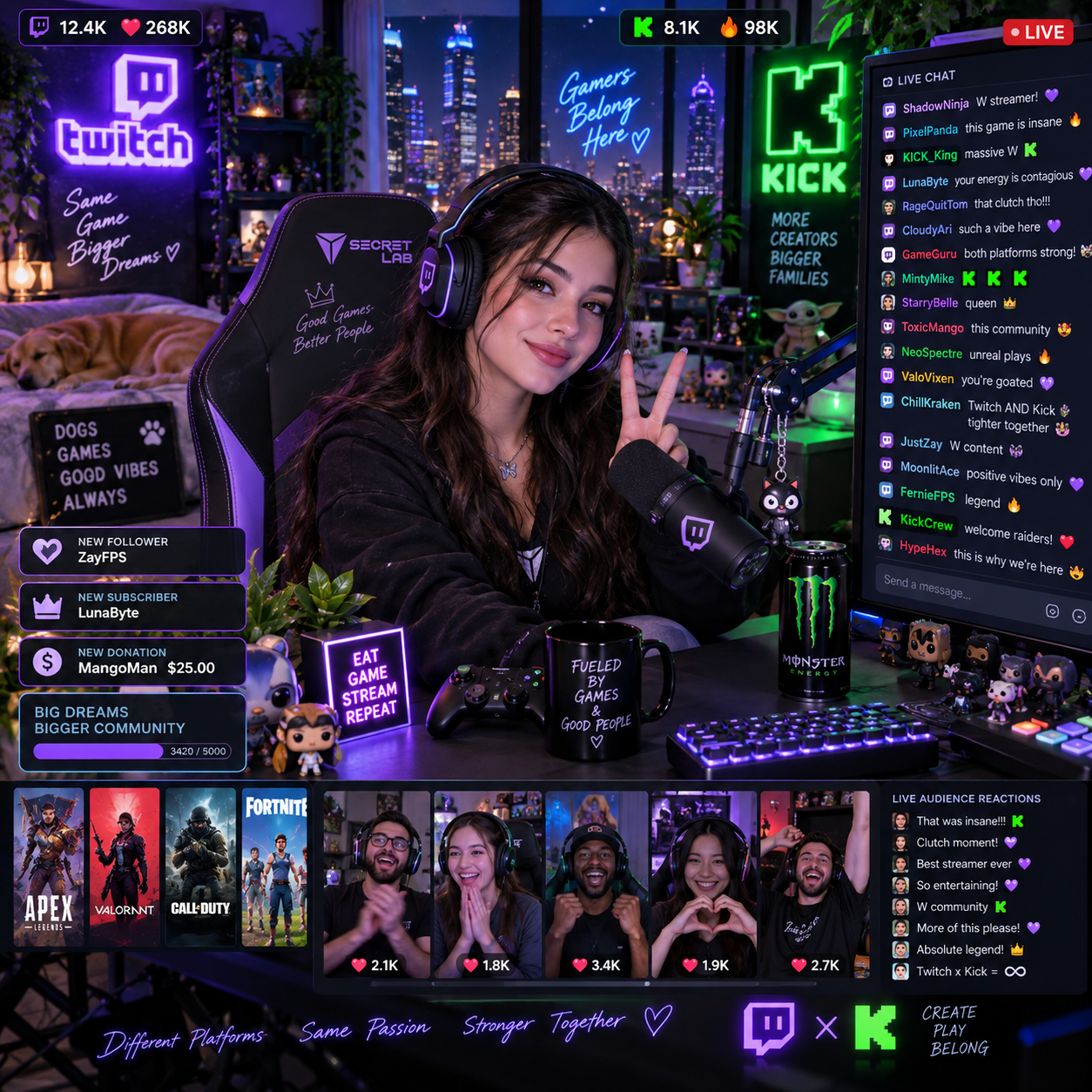
Interactive streaming platforms have changed gaming from something people mainly played or watched into something they can experience together in real time. Twitch and Kick give streamers, viewers, game developers, and esports organizers a shared space where gameplay, conversation, competition, and community overlap.
What Are Interactive Streaming Platforms?
Interactive streaming platforms broadcast live video while allowing viewers to participate through chat, reactions, polls, alerts, and other real-time tools. Unlike a traditional gaming video, a livestream can change direction because the audience is present and responding as events unfold.
A recorded walkthrough has a fixed beginning and end. An interactive livestream is more flexible. Viewers might suggest a strategy during a first-playthrough, warn a player about an approaching enemy, vote on a challenge, or simply turn a quiet moment into a conversation. The creator sees those messages through live chat and decides how much influence the audience should have.
This creates a direct creator-audience relationship. The streamer is not only presenting gameplay; they are hosting a social space. Regular viewers often recognize one another, develop inside jokes, and return for familiar schedules. In that sense, the stream becomes a recurring gathering place for a gaming community.
- Real-time participation: Chat, polls, channel points, predictions, and viewer challenges make the audience active.
- Unscripted entertainment: Wins, mistakes, technical problems, and unexpected reactions happen without extensive editing.
- Persistent community: Subscribers and regular viewers can build shared identity around a creator or game.
The format also has limits. Fast-moving chat can overwhelm newcomers, and the quality of a stream depends heavily on moderation, internet stability, creator behavior, and platform policies.
How Twitch and Kick Changed Gaming Content
Twitch and Kick helped make livestreaming a central form of gaming entertainment by combining gameplay with community, personality, and immediate feedback. They expanded the idea of gaming content beyond reviews, guides, and edited highlights.
Twitch played a major role in establishing livestreaming as a daily habit for gaming audiences. Its categories cover competitive games, role-playing titles, speedruns, creative projects, and casual conversations connected to gaming culture. Kick entered a more mature market with a strong emphasis on creator choice and an alternative platform identity, giving streamers another place to build an audience.
The impact reaches game discovery. A player watching a streamer attempt a difficult roguelike may become interested in buying it. Someone following a popular multiplayer creator may join the same game to participate with friends. A new update can receive immediate attention when creators test its mechanics in front of thousands of viewers.
Livestreaming also changed how developers communicate. Game studios can invite creators to preview content, observe player reactions, answer questions, or showcase community events. This can create useful feedback, although a streamer's reaction represents one audience and should not be treated as a complete substitute for structured testing.
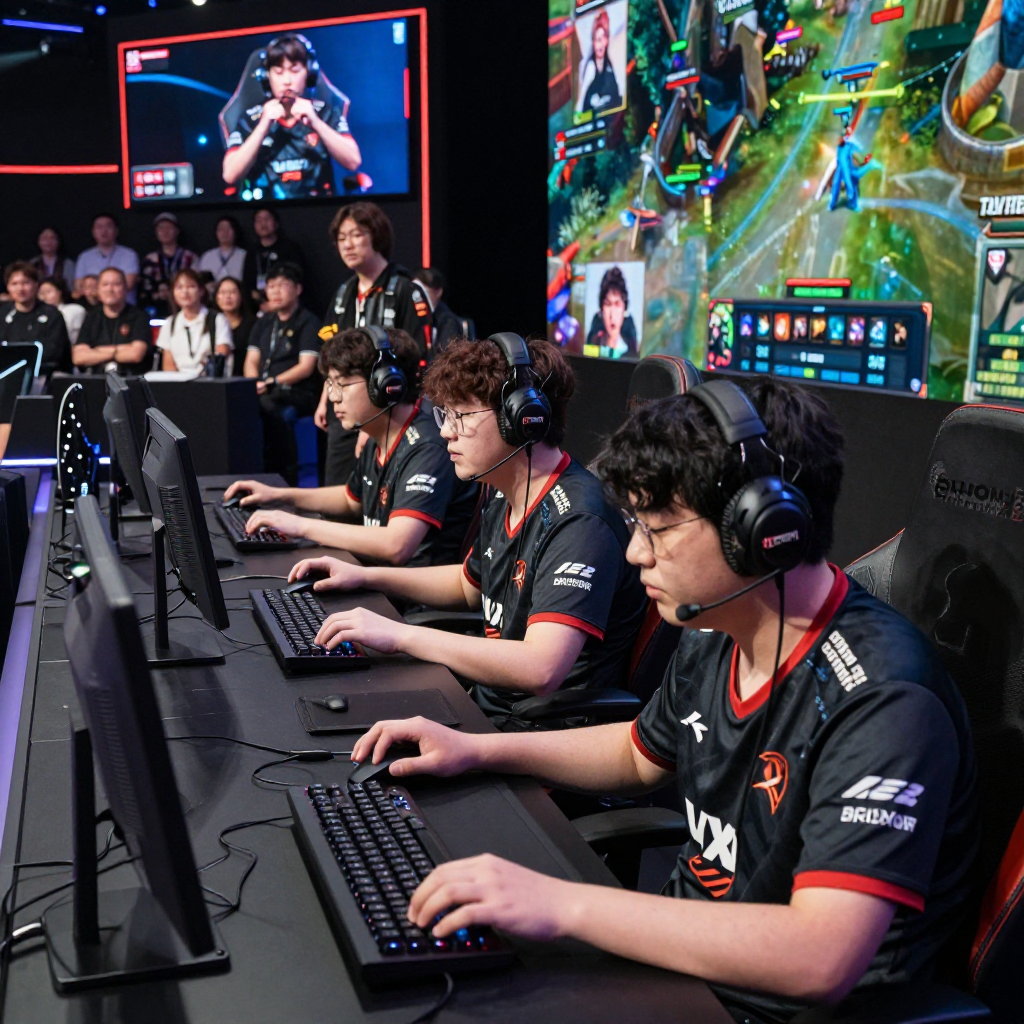
Esports benefited from the same shift. Competitive matches now reach viewers through live broadcasts, co-streams, commentary, and community discussions. Viewers may follow a team, player, or personality even when they do not regularly compete themselves.
Twitch vs. Kick: Key Differences for Viewers and Streamers
The main difference between Twitch and Kick is platform identity and operating environment, not a simple universal ranking. Twitch offers a mature ecosystem with extensive creator tools, while Kick attracts attention as an alternative focused on creator flexibility and platform competition.
The right choice depends on what a viewer or streamer values. A creator should compare audience fit, moderation expectations, monetization terms, discoverability, available features, and the rules that govern content. These details can change, so official platform documentation should be checked before making a business decision.
| Category | Twitch | Kick |
|---|---|---|
| Platform identity | Established gaming livestreaming ecosystem with broad categories and mature community conventions. | Alternative livestreaming platform competing for creators and viewers through a distinct identity. |
| Community culture | Large, varied communities with established norms, emotes, raids, and channel traditions. | Communities may appeal to viewers seeking a different creator environment and platform culture. |
| Creator tools | Extensive tools for chat management, alerts, subscriptions, clips, raids, and integrations. | Core livestreaming and community features, with the platform continuing to evolve its creator offering. |
| Discoverability | Large potential audience, but strong competition makes category positioning important. | Potentially different competitive conditions, although audience scale and category activity vary. |
| Content expectations | Detailed community guidelines and enforcement systems shape what creators can broadcast. | Its own moderation rules and policies determine acceptable content and creator responsibilities. |
For viewers, the practical difference often comes down to where their preferred creators and communities are active. For streamers, platform diversification can reduce dependence on one service, but managing several channels requires extra time and may divide the audience. A creator should test a platform with a clear schedule and track returning viewers rather than judging success from one unusually busy broadcast.
Why Viewers Keep Returning to Live Gaming
Viewers return to live gaming because participation, personality, and shared experiences create a stronger sense of presence than most edited videos. A livestream offers the feeling that something is happening now and that the audience has a place inside it.
Chat is central to that experience. A viewer can ask why a streamer chose a particular weapon, recommend a strategy, congratulate a win, or react alongside hundreds of other people. Even when the creator cannot answer every message, the possibility of being noticed makes the session feel more personal.
Different viewers also seek different forms of involvement:
- First-playthrough viewers enjoy seeing genuine reactions to a story, boss, or surprise.
- Competitive viewers follow esports events, ranked matches, analysis, and high-level decision-making.
- Community viewers return for familiar conversation, channel rituals, and relationships with other regulars.
- Discovery-focused viewers use livestreams to evaluate games before spending money or committing time.
Unscripted content adds another layer. A failed speedrun, an unexpected multiplayer encounter, or a difficult challenge can become a memorable shared event. The trade-off is inconsistency: live content includes pauses, repetition, technical issues, and moments that would normally be removed from a polished video.
Opportunities and Challenges for Streamers
Streamers can earn through subscriptions, donations, advertising, sponsorships, and related products, but livestreaming income is uncertain and depends on audience loyalty, consistency, platform terms, and business skills.
Subscriptions may provide recurring support and often include benefits such as custom emotes or subscriber-only interaction. Donations and tips can create direct audience support. Advertising may become more valuable as viewership grows, while sponsorships connect creators with game publishers, hardware companies, and other brands. None of these channels guarantees a stable salary, especially for new creators.
A practical growth plan usually combines four activities:
- Choose a focused content angle, such as beginner-friendly guides, ranked improvement, challenge runs, or a specific game community.
- Publish a reliable schedule that viewers can remember without requiring daily streaming.
- Turn strong moments into clips or short videos for discovery outside the live platform.
- Review viewer retention, chat activity, returning viewers, and conversion to followers rather than relying only on peak concurrent viewers.
The workload can become intense. Long sessions, constant performance pressure, harassment, copyright claims, and moderation duties contribute to burnout. Streamers also depend on platform policies that can change with limited notice. Using moderators, setting offline hours, protecting personal information, and keeping copies of important content are practical safeguards.
One common mistake is treating a high viewer count as proof of a sustainable business. A stream may attract attention during a major game launch and then decline sharply. Building an email list, community server, video archive, or presence on another platform can improve resilience, but it also creates additional management work.
The Impact on Games, Esports, and Gaming Culture
Interactive livestreaming affects which games people notice, how esports is followed, and how gaming trends spread. A stream can function as entertainment, informal instruction, product demonstration, and community meeting at the same time.
Game discovery is one of the clearest effects. Viewers see mechanics in context rather than in a trailer. They can ask about difficulty, progression, controller support, multiplayer matchmaking, or endgame content. A creator's explanation may help a viewer decide whether a game fits their interests, although personal enthusiasm can also influence the presentation.
Livestreams strengthen developer-community relationships when studios listen responsibly. Developers can identify recurring questions, observe confusion around a feature, and explain design decisions. The relationship becomes less useful when promotional access discourages honest criticism or when a small group of creators is treated as representative of every player.
Esports gains visibility through live tournaments, co-streaming, player watch parties, and post-match analysis. Smaller competitive scenes can reach niche audiences without relying solely on traditional broadcast networks. At the same time, crowded schedules and algorithmic visibility make it difficult for every tournament or game to receive sustained attention.
Gaming culture now spreads through moments: a spectacular play, a funny chat exchange, a new strategy, or a streamer-driven challenge. These moments can bring players together quickly. They can also produce short-lived trends that leave communities when the next game or creator captures attention.
What the Future May Hold for Interactive Streaming
The future of interactive streaming will likely center on stronger competition, richer participation tools, creator diversification, and more accountable moderation. Twitch and Kick will continue competing for streamers, viewers, exclusive events, and the communities that make platforms valuable.
Interactive features may become more sophisticated. Viewers could influence game challenges, vote on broadcast segments, join synchronized events, or receive better tools for following a conversation in fast-moving chat. These features must remain optional and accessible; excessive alerts or forced participation can make a stream tiring rather than engaging.
Creators are also likely to diversify their work across livestreams, edited guides, short-form clips, podcasts, community servers, and direct fan support. That approach can reduce reliance on one algorithm, but it requires planning. A streamer who spreads content across too many services may weaken the regular live community that drives loyalty.
Moderation will remain a defining issue. Platforms need clear policies, consistent enforcement, effective reporting systems, and tools that help channel moderators act quickly. Creators share responsibility by setting rules, explaining boundaries, and protecting vulnerable members of their communities.
The strongest long-term communities will be built around sustainable schedules and genuine interaction rather than endless hours online. For viewers, that means choosing spaces that are enjoyable and respectful. For creators, it means treating attention as a relationship to maintain, not a resource to extract indefinitely.
Frequently Asked Questions
What makes interactive streaming different from traditional gaming videos?
Interactive streaming happens live and lets viewers participate through chat, reactions, polls, and direct conversation. Traditional gaming videos are recorded and edited, so the audience has less influence over what happens while watching.
Is Twitch or Kick better for new streamers?
Neither platform is universally better. New streamers should compare audience fit, competition, creator tools, monetization terms, moderation policies, and where their intended community already spends time.
How do streamers earn money on interactive platforms?
Common income sources include subscriptions, donations, advertising, sponsorships, affiliate links, memberships, and merchandise. Earnings vary widely and are never guaranteed, particularly during the early stages of a channel.
How do Twitch and Kick affect game discovery?
They let viewers watch real gameplay, ask questions, and observe a creator's experience before trying a title. This can expose smaller games to new audiences, although visibility often depends on creator interest, category competition, and platform recommendation systems.
What challenges do viewers and creators face on livestreaming platforms?
Viewers may encounter spoilers, toxic chat, excessive advertising, or unreliable moderation. Creators face competition, burnout, copyright concerns, harassment, technical problems, and dependence on changing platform policies.