Exploring Esports: How Competitive Gaming Became a Global Phenomenon
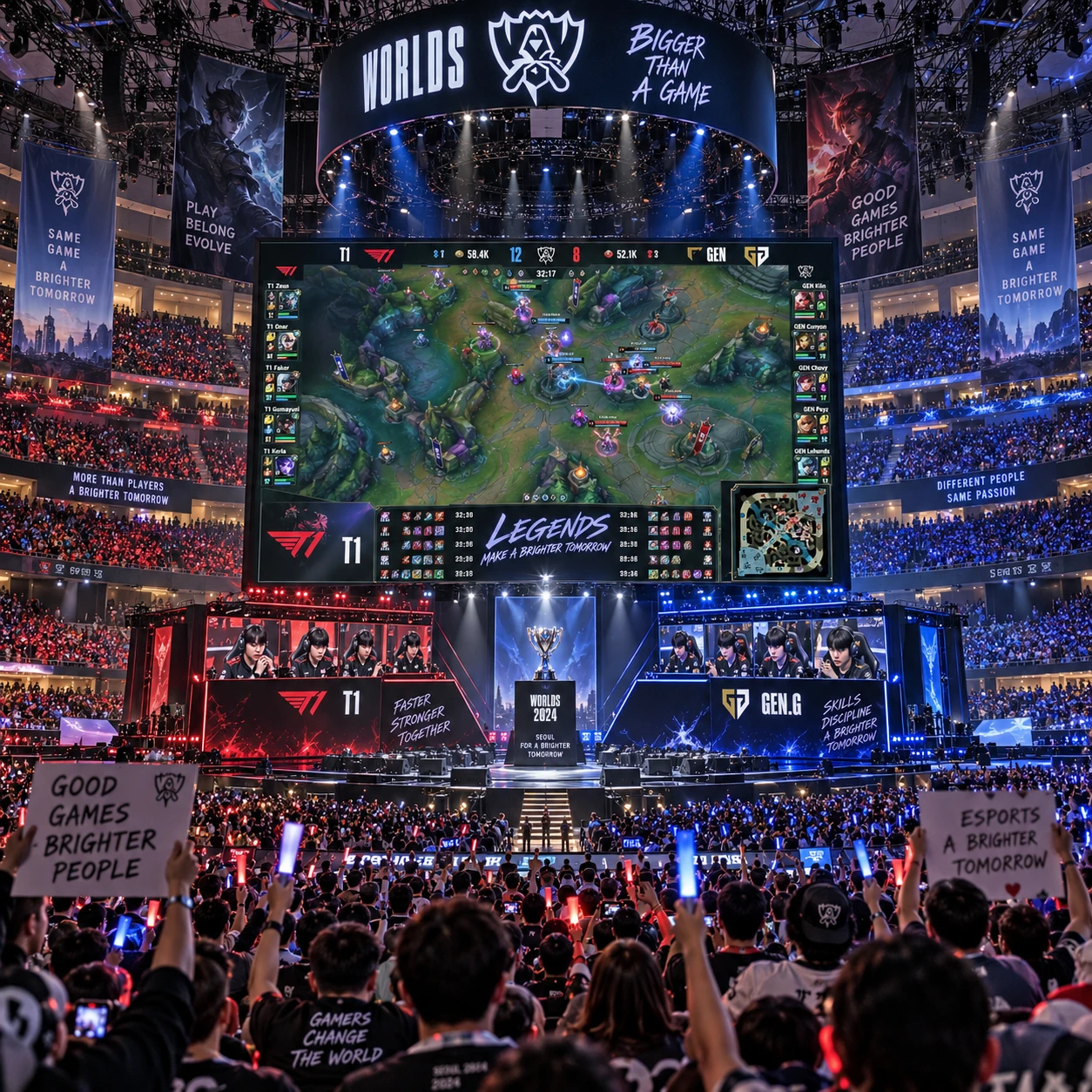
Competitive video games once brought together small groups of friends in arcades, living rooms, and local gaming clubs. Today, esports matches can draw online audiences from around the world, while professional players compete in organized leagues and tournaments. The journey from niche hobby to global phenomenon has been built game by game, through communities, new technology, and the simple appeal of watching skilled people compete.
What Is Esports?
Esports is organized competitive gaming in which individuals or teams play video games under shared rules. Unlike casual play, esports competition usually has defined formats, rankings, scheduled matches, and a winner determined by performance.
The games vary widely. In multiplayer titles, a match might test teamwork and map control, while a fighting game can focus on one-on-one timing and decision-making. Strategy games reward planning; sports simulations recreate familiar contests in digital form. There is no single game or format that defines the whole scene.
Casual players can compete, too, but a game does not become an esport simply because someone plays it competitively. Organized events, agreed rules, and a community of participants and spectators help create a recognizable competitive scene. Professional players may earn salaries or prize money, but many competitors play in amateur leagues, school clubs, online brackets, or local events.
That range matters: esports is both an entertainment industry and a way for people to test their skills. The professional stage is its most visible part, not its only one.
From Niche Hobby to Organized Competition
Esports grew as gaming communities turned informal matches into repeatable competitions. Better internet access, multiplayer games, and live streaming helped those events reach beyond local arcades and gaming rooms.
Early competitive play often relied on high scores, local meetups, or small tournaments organized by enthusiasts. As multiplayer games became more connected, players could face opponents who lived far away. Online ladders and leagues gave competitors a way to track results and build reputations between in-person events.
Game publishers, event organizers, and sponsors later helped establish larger tournaments with scheduled seasons, production crews, and prize pools. Teams began recruiting players, while coaches and analysts helped prepare strategies. Streaming platforms made it possible for fans to watch matches live without attending an arena. Highlights and match recordings also let viewers catch up later.
The change was gradual, not a single leap. Each stage depended on the others: games needed active players, tournaments needed reliable rules, and broadcasts needed a reason for audiences to return. Gaming communities supplied much of that continuity, discussing tactics, following teams, and introducing newcomers to the competition.
What Makes an Esports Scene Work?
An esports scene works when players, teams, tournament organizers, game developers, streaming platforms, and fans each have a role. Together, they make competition possible and give audiences a reason to follow it.
Players compete, develop game knowledge, and adapt to opponents. In team-based multiplayer games, communication can matter as much as individual mechanics. Esports teams may provide practice schedules, coaching, equipment, and support with travel or media duties. Team arrangements vary, and not every player has the same resources or a full-time contract.
Training and coaching can include reviewing match footage, rehearsing strategies, practicing mechanics, and learning to communicate under pressure. Coaches help identify patterns and structure practice, but their role depends on the game and team. Organizers create the competition itself: they set formats, publish rules, schedule matches, and handle tournament operations.
Developers influence the scene by updating games, balancing characters or maps, and supporting competitive formats. Streaming platforms connect those matches with viewers, while commentators explain the action. Fans contribute through watch parties, discussion, fan art, and local events. A healthy scene needs room for more than its top-ranked players: newcomers, amateur leagues, and community organizers help keep the path into competition open.
Why Esports Attracts Players and Audiences
Esports attracts players and audiences because it combines skill-based competition with social connection and live entertainment. Fans can follow a team’s progress, learn the tactics, and share the excitement of a close match.
For players, competition offers clear goals: improve a ranking, master a difficult character, or coordinate better as a team. The feedback is immediate. A missed opportunity or well-timed play can change the match, giving viewers plenty to analyze and discuss.
Accessibility also plays a part. Many people can watch online without traveling to an arena, and some games are free to play. But access is not universal: viewers may need a stable internet connection, compatible devices, or familiarity with the game to follow complex strategies. Commentators and beginner-friendly broadcasts can help bridge that gap.
Esports has a social side, too. Gaming communities gather around teams, games, streamers, and local clubs. A viewer may arrive for a high-stakes final and stay because they enjoy the conversation or the personalities involved. Live events add another layer, with crowds reacting together as matches unfold. Competition, community, and spectacle reinforce one another, though the experience can vary greatly between a small online event and a major arena final.
How to Get Started with Esports
To get started with esports, choose one game that interests you, learn its basic match format, and explore a beginner-friendly broadcast or community. You do not need to play professionally to enjoy or take part in competitive gaming.
- Pick a game you already enjoy. Familiarity makes it easier to understand why a team is attacking, defending, or changing strategy. If you are new to games, choose a title with clear tutorials or accessible commentary.
- Watch a full match or a short highlight. A tournament stream shows the pace and format; highlights are a quick way to sample the action. Look for official channels or established tournament organizers.
- Learn a few basics. Find out how teams score, what a map objective is, and how long a match usually lasts. You do not need to memorize every character or rule at once.
- Join a welcoming community. A local gaming club, moderated forum, or beginner Discord can help you ask questions and find other fans. Check community rules and protect personal information when joining online spaces.
- Try competing at a comfortable level. Start with casual matches, a school or community league, or a low-pressure online bracket. If you enjoy improving, set a small goal, such as practicing one skill for a week.
Beginners often make two avoidable mistakes: starting with the most complicated game because it is popular, and assuming every match needs hours of background study. Choose interest over hype, then learn in layers. If you want to improve as a player, review one decision after each session rather than trying to fix everything at once.
Challenges and What Comes Next
Esports faces challenges around player well-being, fair competition, and long-term sustainability. The scene may continue to change, but its future depends on how well organizers, teams, publishers, and communities handle those pressures.
Professional training can demand long practice hours, travel, media commitments, and sustained focus. That schedule may be difficult to balance with sleep, education, work, and time away from the game. Coaching and structured practice can help, but teams and players need realistic routines and support. Competitive careers can also be uncertain, especially where income depends on results or short-term contracts.
Fair play is another ongoing concern. Tournament rules need to address cheating, account security, and disputes consistently. Organizers also have to manage changing game updates: a balance patch can alter strategies, while a major format change may affect teams and viewers differently. No single solution fits every title.
Growth alone does not guarantee a durable scene. Regular competitions, accessible entry points, clear rules, and a rewarding viewing experience matter just as much as headline events. For newcomers, that is encouraging: esports is not a closed club reserved for professionals. Whether you watch a final, play a local bracket, or help run a community event, there are many ways to be part of competitive gaming.